
Navigating a New Chapter with Confidence and Care
Becoming a grandparent for the first time is one of life’s great milestones. It brings joy, pride, and often a renewed sense of purpose. Yet alongside the excitement can come uncertainty. Family dynamics shift, parenting practices evolve, and the adult child you thought you knew so well suddenly steps into a completely new role.
Like any major life transition, this one benefits from patience, flexibility, and above all, communication.
Understanding the Changing Family Dynamic
The arrival of a first grandchild transforms more than just one generation. It reshapes the whole family. Whether it is your daughter having a baby or your son and his partner welcoming their first child, each situation carries its own sensitivities.
When it is your daughter, you may naturally feel closer to the experience and more involved in the pregnancy and early weeks. When it is your son’s partner, you may feel less certain about your place. Both situations are completely normal, and both require thoughtfulness and respect.
Add in factors such as a difficult pregnancy, a premature birth, or geographical distance, perhaps you need to stay for extended visits rather than popping in for an hour, and the emotional landscape becomes even more complex.
It is important to remember that while you are becoming a grandparent, your child is becoming a parent. That identity shift can be profound. They may seem different, more protective, more anxious, more opinionated, more tired. In many ways, they are evolving into the next version of themselves. Allow yourself time to get to know this new version.
Parenting Has Changed, And That Is Okay
One of the biggest challenges for new grandparents is accepting how much parenting advice has evolved.
Safe sleep guidance, feeding recommendations, weaning approaches, routines, many of these have changed significantly in a relatively short time. Practices that were standard a generation ago may now be discouraged.
Weaning, for example, can be particularly surprising. Baby led weaning, where babies feed themselves soft finger foods rather than being spoon fed purées, has become increasingly popular. Sleep routines are discussed in terms of wake windows, and parents may spend significant time carefully managing naps rather than letting babies drift off when tired.
Breastfeeding beyond 12 months is also far more openly discussed and accepted than it once was. Whether you would have made the same choice is not the point. What matters is that it is their decision.
Even when you feel confident that it did no harm in your day, resisting the urge to say, “Well, we did it like this and you turned out fine,” can make a tremendous difference. Advice offered without invitation can feel like criticism. However well meaning, it may undermine trust.
If you are unsure about something, ask gently. If you disagree, pause before speaking. The goal is to support, not to compete.
Communication Is Everything
The single most important ingredient in a healthy grandparent relationship is clear, respectful communication.
Rather than assuming what is helpful, ask:
• “How can I best support you?”
• “What routine are you following at the moment?”
• “Is there anything you would prefer I do, or not do?”
This approach shows respect for their role as parents and reinforces that you are on the same team.
It is also wise to clarify expectations when visits are planned, especially if you live far away and will be staying together. Discuss sleeping arrangements, feeding preferences, nap routines, and household logistics in advance. These conversations may feel formal, but they prevent misunderstandings later.
Creating a Grandparent Friendly and Baby Friendly Home
If your grandchild will be visiting your home, take the initiative in making it safe and welcoming.
Rather than expecting your child to constantly monitor the baby around fragile ornaments or sharp edged furniture, move precious or breakable items out of reach before they arrive. A crawling baby cannot be expected to admire heirlooms from a distance.
Simple adjustments such as stair gates, cupboard locks, and covered sockets send a powerful message. You and your child are safe and welcome here.
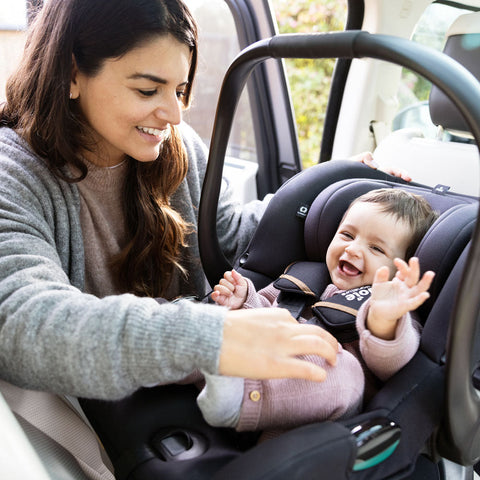
It can also be helpful to think about practical essentials, such as having an appropriate car seat fitted in your own vehicle for days out or emergency collections. Many grandparents find reassurance in having their own correctly fitted seat, and specialist retailers can guide you through choosing a safe, suitable option and ensuring it is installed correctly.
Equally, try not to expect perfect behaviour from a baby or toddler. They are exploring the world as they should.
Balancing Flexibility with Boundaries
While adapting is important, so is maintaining the essence of your home and your values.
Many adults fondly recall visiting their grandparents and knowing where they stood. There were clear boundaries. Certain behaviours were expected. Some things were allowed, others were not. That consistency often created a deep sense of security.
You do not need to abandon your standards. Instead, communicate them calmly and kindly. Children benefit from predictable environments, and so do parents.
Being accommodating does not mean erasing yourself. It means blending patience with steadiness.
Patience, Kindness, and Perspective
There may be moments of tension. Exhausted new parents can be sensitive. Grandparents can feel sidelined or underappreciated. Misunderstandings happen.
In most families, however, if actions are rooted in patience and kindness, things settle over time.
Try to:
• Assume good intentions
• Offer help without pressure
• Respect decisions, even if they differ from your own
• Keep conversations open rather than letting resentments build
Above all, remember that this season, however intense, is temporary. Babies grow. Parents gain confidence. Routines evolve.
A Relationship That Lasts a Lifetime
Becoming a grandparent is not simply about helping in the early months. It is about building a lifelong relationship.
Your grandchild will not remember whether you preferred purées or baby led weaning. They will remember warmth, safety, laughter, and the feeling of being cherished.
Your child will not remember every difference of opinion. They will remember whether you stood beside them as they found their footing as parents.
If you lead with communication, flexibility, and respect, while remaining true to yourselves, this new chapter can become one of the most rewarding of all.
And, more often than not, if everything is done with patience and kindness, it usually turns out just fine.
You might also find one or two of these publications useful
Practical and supportive guides
-
Top Tips for New Grandparents by Louise Baty, a friendly, accessible guide offering simple advice on bonding with grandchildren, supporting new parents, and navigating common situations in those early months and years.
-
Your First Grandchild: The Survival Guide for Every New Grandparent, a light hearted yet practical book that covers basics from nappies and feeding to sleep and car seats, with advice on modern parenting practices and how to be helpful without overstepping.
-
Be the Best Grandparent, written on behalf of the UK’s Grandparents’ Association, offering practical strategies for interacting with grandchildren and navigating family conflicts or distance.
-
Grandparenting Grandchildren, a more detailed guide focused on children under five, with insights into development, healthy routines, and building strong, supportive grandparent grandchild relationships.
More in depth or specialist reads
-
The Grandfamily Guidebook by Andrew Adesman and Christine Adamec, ideal if you are not just a grandparent but actively helping to raise a grandchild, blending expert advice with real life experiences on emotional, medical, and family dynamics.
Light, fun, or reflective books
-
The Little Instruction Book for Grandparents, a humorous handbook that works well as a gift or light read, offering laughs alongside gentle tips.
Bonus tip for understanding parenting approaches
In many cases, people also find it useful to read a modern baby care book, even if it is not written specifically for grandparents. These can keep you up to date with current guidance on safe sleep, feeding, development, and routines, which helps when offering support.
Baby centred books such as The Wonder Weeks and Happiest Baby on the Block are often recommended by parents and grandparents alike for understanding infant behaviour and developmental stages.